
Okay, anyway, back to it. Cloud computing is redefining traditional IT in ways that make me both excited and a little anxious, honestly.


My Rocky Start with Cloud Computing Redefining My Traditional IT Setup
Man, remember when traditional IT meant racks of servers humming in a closet, eating electricity like crazy? I do—vividly. Back in 2018, I ran a small freelance dev gig from my garage in Texas (yeah, I moved around a bit), and my “data center” was literally two old Dell towers stacked under a workbench. Fans whirring all night, keeping me up, and when one crashed during a client demo? Total panic. Sweat, cursing, lost data—embarrassing as hell. That’s traditional IT for ya: full control, but zero forgiveness.
Then cloud computing started redefining traditional IT for me around 2020, pandemic hitting and all. I migrated to AWS on a whim, thinking it’d be easy. Ha! Spent weeks wrestling with configs, bills spiking unexpectedly because I forgot to shut down test instances. Like, $400 in one month for basically nothing—felt like getting punked. But once it clicked? Game changer. Scalability meant handling traffic spikes without buying new hardware. No more dusty servers; everything remote.
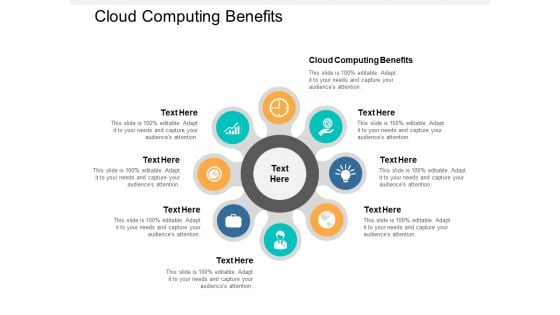
Why Cloud Computing Is Redefining Traditional IT: The Wins That Hook You
Let’s break it down, ’cause cloud computing redefining traditional IT isn’t just hype.
- Scalability on steroids: Traditional IT? You guess needs, overbuy hardware, waste money. Cloud? Spin up resources in minutes. My site got slasheddotted once (okay, Reddit-hugged), traffic 10x’d overnight—no sweat, auto-scaled.
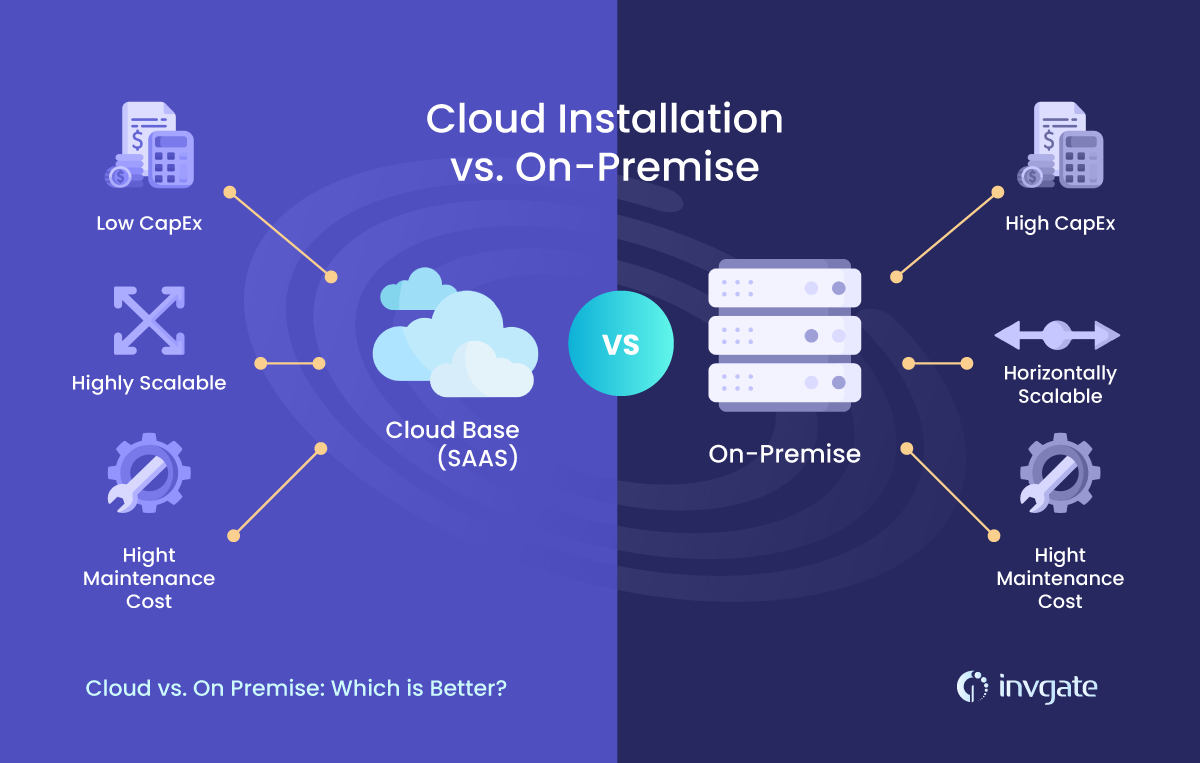
- Cost savings (mostly): Pay for what you use. Studies show enterprises cutting IT spend 30-50% migrating (check out Gartner’s reports on cloud adoption). Me? Went from $500/month electric/hardware to variable $100-300 on cloud.
- Flexibility and innovation: AI integration now? Cloud providers like AWS and Azure make it plug-and-play. Traditional IT would’ve required massive upfront investment.
But yeah, contradictions: I love the freedom, but miss that tangible control sometimes.
The Flip Side: Challenges When Cloud Computing Redefines Traditional IT
Not gonna sugarcoat—cloud computing redefining traditional IT has pitfalls. Outages? Remember those big AWS downtimes? My app went dark for hours once, clients furious. Vendor lock-in scares me; switching providers is a nightmare.
Security too—traditional IT, everything behind your firewall. Cloud? Shared responsibility. I got hit with a misconfig once, exposed bucket, heart attack moment. Learned the hard way: enable MFA, logging, everything.
And costs can creep if you’re not vigilant. FinOps is key now.
Hybrid approaches are rising for a reason—best of both. Many orgs keep sensitive stuff on-prem, burst to cloud.
Looking Ahead: Cloud Computing Continuing to Redefine Traditional IT in 2025
With AI exploding, cloud’s role is huge. Market hitting over $900 billion this year, 94% enterprises using it. Edge computing, serverless—it’s evolving fast.
Me? Fully hybrid now. Cloud for most, on-prem NAS for backups ’cause paranoia.


Anyway, wrapping this ramble—cloud computing is redefining traditional IT, flaws and all, into something more agile, but it demands you stay sharp. My advice from screwing up plenty: Start small, monitor costs religiously, learn security basics.
What’s your take? Dipped into cloud yet, or sticking traditional? Drop thoughts below—I’d love to chat. Seriously, hit me up.
(Oh, and for deeper dives: Check Gartner’s cloud trends, AWS migration guides, or this comparison on cloud vs on-prem. Credible stuff.)
